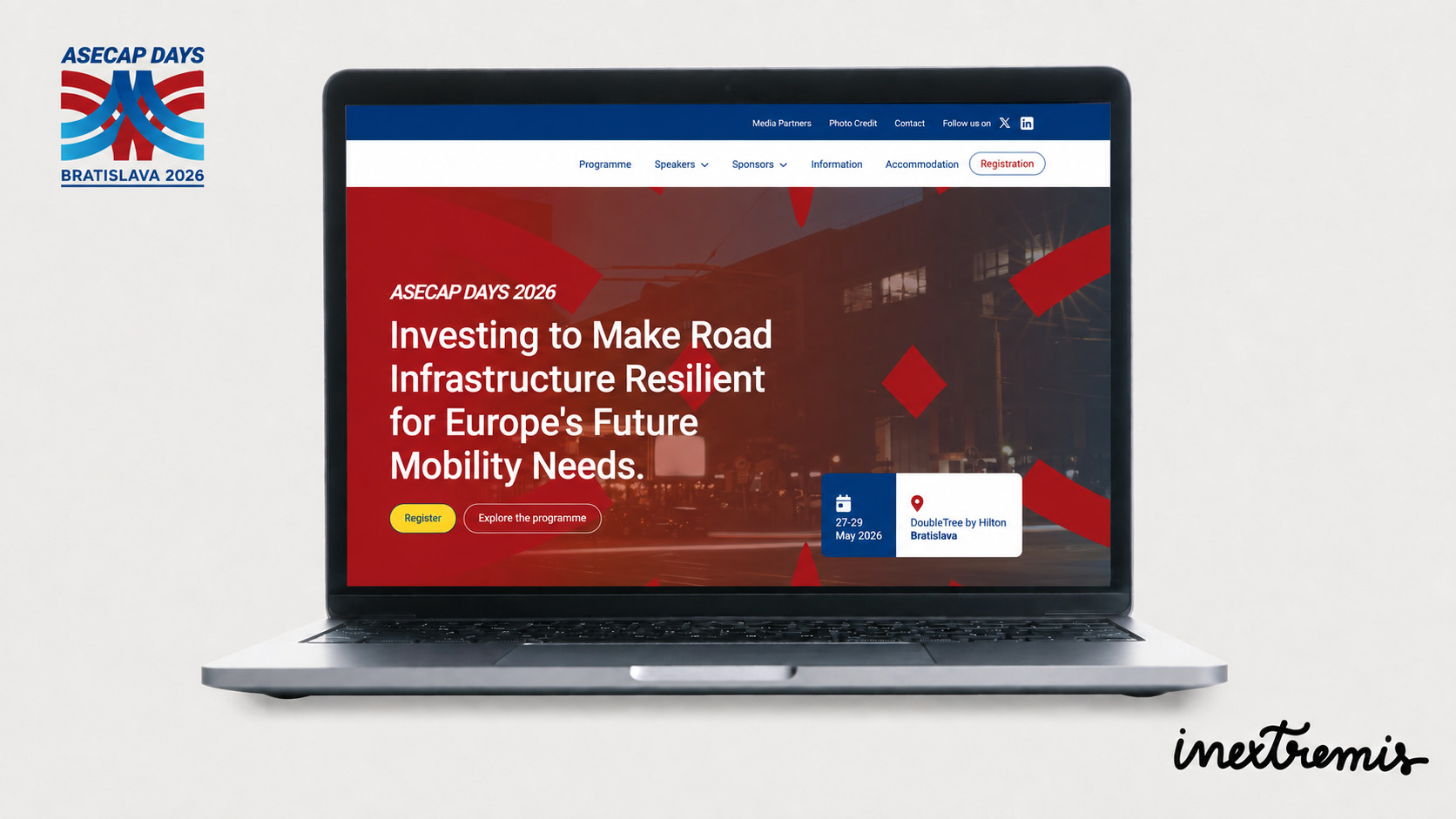
ASECAP Days 2026 offers a useful example of how digital structure can support an event’s content beyond the conference itself.
Start with the programme. Visitors can expand individual days, then open sessions to see more detail. Times and session titles provide the first layer; speakers and moderators appear as readers explore.
That gives a dense agenda a manageable reading rhythm.
The speaker directory follows a similar principle. Portraits, names and roles introduce the people involved, with biographies available to open separately.
Alongside this, dedicated information and accommodation pages give practical questions their own place.
The format choices matter, too. Visitors can consult the programme online or download a PDF.
Then there is the follow-through: the programme page also links to presentations and the event photo gallery. The schedule becomes a place to return to for material from the discussions.
For communication leaders managing an event alongside a wider editorial calendar, that is a useful design consideration. Each stage brings a different information need: understanding the agenda, identifying relevant voices, planning a visit or revisiting a contribution.
A digital-first approach gives those needs a clear place in the website.
Explore the ASECAP Days website: https://www.asecapdays.com/