01 / 09 · The Workshop Advantage
Part 1The collective work behind communication
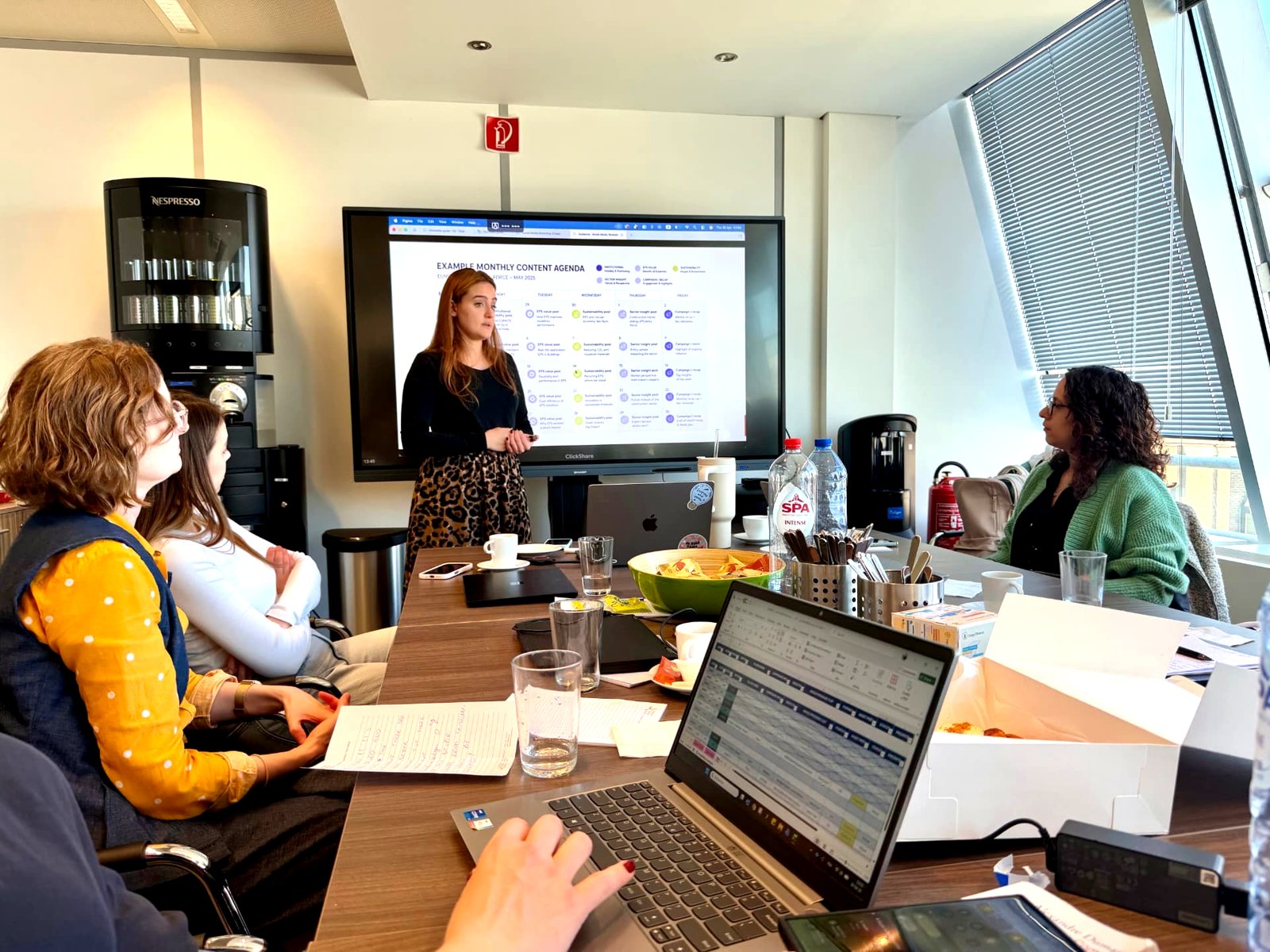
The communication brief contains other people's decisions
A request for a campaign rarely arrives with every underlying choice resolved. An annual publication may need to express priorities that its contributors interpret differently. A conference may have an agreed date and venue while its central idea remains unclear. A website may be commissioned before its audiences and information priorities have been compared.
The communication team receives the visible assignment. Inside it sit questions about purpose, evidence, contribution, ownership and intended action. Some can be answered through professional judgement. Others require the people who hold different parts of the situation to work together.
This distinction changes the role of the communication professional. Alongside writing, commissioning and producing, the team needs a way to organise the conversations on which sound communication depends. The workshop is one available instrument for that work.
It becomes useful when the interaction between contributions can improve the result. An expert may hear how a member describes a practical problem. A designer may understand why a distinction matters technically. A partner may discover that another organisation faces a different constraint. These exchanges can expose a question that separate written comments would leave hidden.
Recognising the kind of work required
Several purposes can sit behind the word workshop. An exploratory session helps participants understand a situation and identify possible directions. An alignment session compares perspectives and establishes what can be carried together. A creative session develops and examines alternatives. A practical learning session gives participants a method to apply. A project session structures the work needed for a specific deliverable.
The purposes can overlap. A campaign workshop may need exploration before alignment, followed by creative work. An onboarding session may combine explanation with practice and a discussion of review responsibilities. The design should make the dominant purpose clear so that participants know what kind of contribution is expected.
The expected degree of completion also matters. Establishing a shared assessment differs from adopting a strategy. Identifying promising directions differs from approving a creative concept. Practising a method differs from demonstrating that it is used consistently at work. Describing the intended result accurately helps the organisation choose a proportionate intervention.
The cost of leaving collective work implicit
When contribution is organised only through successive corrections, disagreements can appear late. A member questions a message after the creative work has begun. Leadership changes the emphasis of a publication after chapters have been commissioned. A partner raises an approval requirement close to launch.
These situations do not always result from poor communication practice. They can reveal that an underlying organisational question was never made explicit. The team may have received approval to proceed without a common understanding of what proceeding meant.
A workshop can create an earlier opportunity to examine those assumptions. It may reveal that the audience is misunderstood, the evidence is incomplete or the organisations involved have different ideas about the campaign. Discovering this before production can inform a better brief. The relevant value is the quality and timing of the clarification, rather than the amount of discussion generated.
This is a practical argument for deliberate preparation. Government Digital Service guidance on small group research workshops begins with agreeing the questions to explore and then designing the structure and activities around them. Its setting is user research; the transferable principle is to make the question guide the method.[1]
Choosing an appropriate intervention
A workshop needs room for a meaningful contribution. If the organisation has already fixed every choice, the useful task may be to explain the decision and answer questions. If the missing input is specialist evidence, research or an expert review may be needed first. If two people can resolve a narrow point directly, a focused conversation can be sufficient.
Similarly, a workshop cannot provide authority that participants do not hold. A group can recommend a direction to a board or prepare a proposal for a partner. The status of that work should be clear from the outset. The people attending need to know whether they are exploring, recommending, choosing within delegated limits or preparing something for approval elsewhere.
This selectivity protects the usefulness of workshops. The communication lead should be able to explain why these people need to work together on this question at this moment. The explanation should remain convincing without reference to a fashionable method or a preferred room format.
Practical tool 1 The workshop usefulness check
Use these questions when deciding whether to commission or organise a workshop. Write a short answer to each before discussing possible activities.
- What concrete communication question needs to move forward?
- Which parts of the answer are held by different people or organisations?
- How could their interaction improve the work beyond collecting separate comments?
- What is open to exploration or influence, and what is already established?
- What usable result is realistic at the end of the process?
- Who can authorise the next step or take the findings into the appropriate decision process?
- Will the necessary evidence, participants and preparation be available?
Where the answers are clear, the workshop can be designed. Where the question or evidence remains uncertain, a short framing stage can establish the basis for it. Where there is little scope for contribution, choose a form of communication or specialist work that fits the actual task.
Use the answers to explain the choice of method and identify the preparation still needed.
Implication for the communication lead
Treat the workshop as an instrument within your professional judgement. Define the work that requires collective contribution, then choose the smallest useful process capable of addressing it. A clear brief can proceed directly to production. A fragmented brief may benefit from a structured opportunity to compare what its contributors know and expect.
Source for Part 1
[1] Government Digital Service, Researching in small group workshops. Guidance for user research, used here for its question led planning principle. Read source